
Blog | Article

Kaizen Culture: Make continuous improvement a daily habit

In manufacturing, where demands rise and conditions constantly change, new technology and automation alone are not enough. Long-term competitiveness requires a culture of daily improvements, driven close to the operations and with engagement from the entire organization. This is where Kaizen makes a difference.
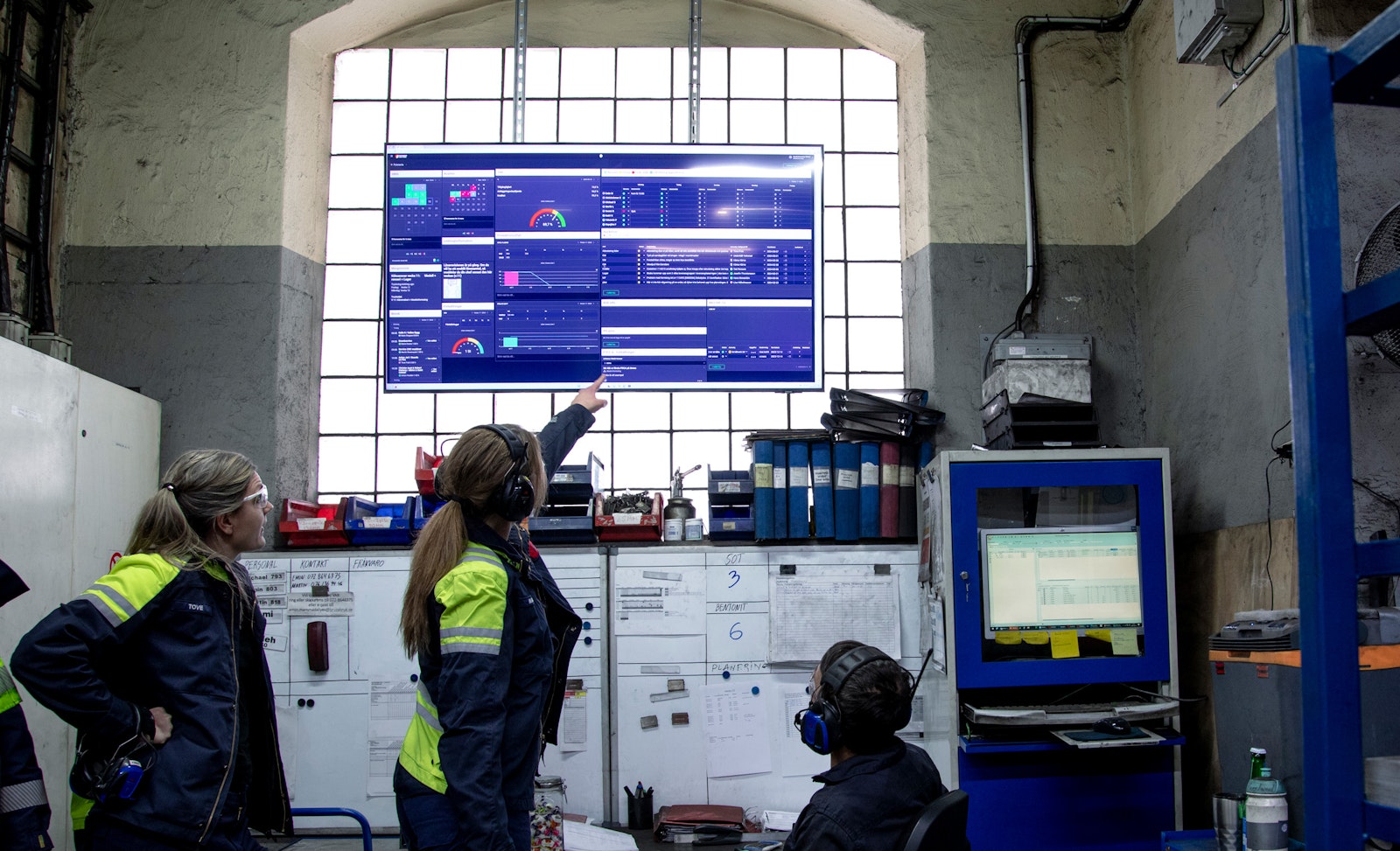
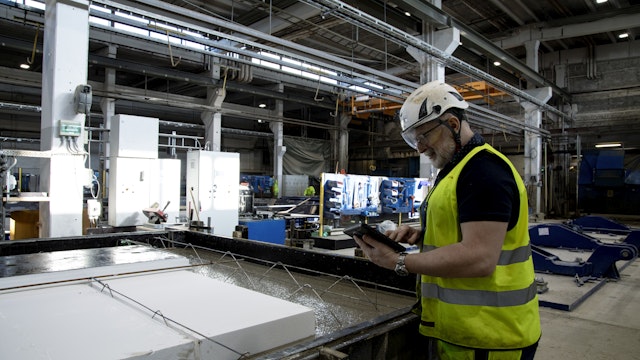
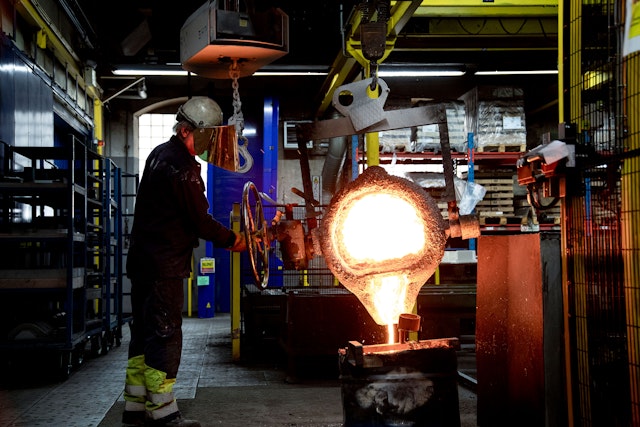
Leading a manufacturing operation can be compared to steering a ship on the open sea, where conditions are constantly changing. Costs rise, margins shrink, quality requirements increase, supply chains become more complex, and safety standards grow stricter. Trying to meet these challenges solely through investments in new technology, automation, or digital systems is like putting a more powerful engine on the ship without improving the crew’s way of working. Long-term success requires a culture where continuous improvement is a natural part of daily operations – in other words, a Kaizen culture.

What does Kaizen mean in practice?

A Kaizen culture is based on a mindset where improvement work permeates the entire organization. All employees are expected to contribute to developing work methods, processes, and results in their daily work, making improvements as natural as production, management, quality, and safety.

In practice, Kaizen is characterized by:

  • Viewing challenges and deviations as opportunities to learn and improve
  • Prioritizing small, continuous improvements over large projects
  • Driving improvements close to daily operations
  • Encouraging employees to share ideas, experiences, and feedback

Kaizen differs from traditional improvement initiatives because engagement comes from within the organization itself. All employees, regardless of role, are given responsibility and authority to identify risks, inefficiencies, and waste. When improvements happen continuously, even small adjustments can lead to significant long-term effects.

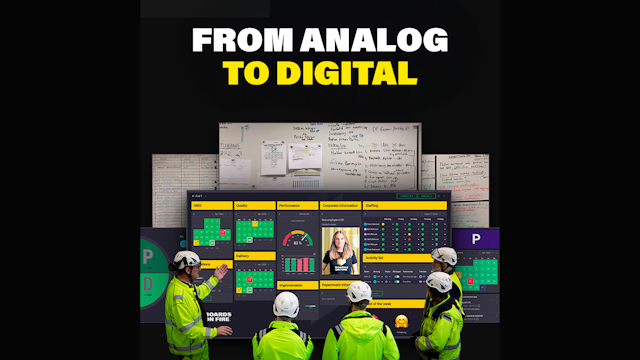
However, many organizations get stuck here. Ideas remain on whiteboards or in notes without follow-up. Without a shared approach, improvements risk staying at the level of intention. By working systematically with small, recurring improvements, organizations can create stable development that strengthens safety, efficiency, and competitiveness.

How Boards on Fire strengthens a sustainable Kaizen Culture

Kaizen is not about achieving results overnight; it is about making continuous improvements every day and truly integrating improvement work into daily operations. With the right tools and mindset, every employee can contribute to learning, adaptation, and continuous improvements across the shop floor.

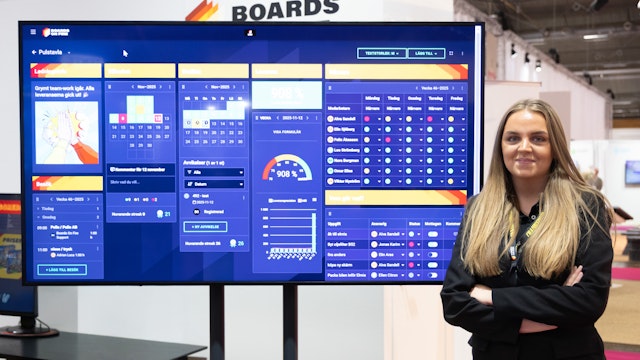
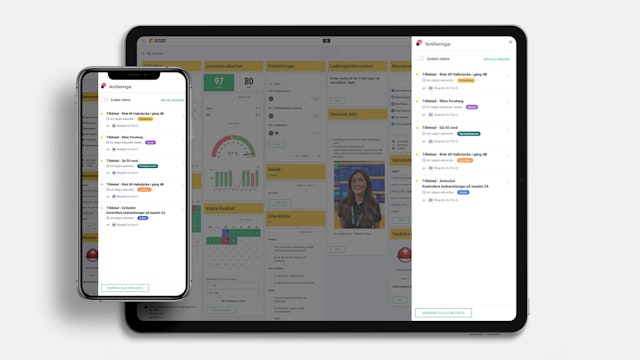
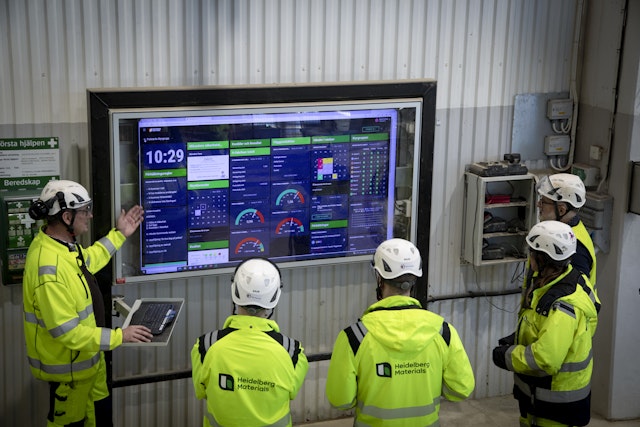
With Boards on Fire, Kaizen culture becomes tangible and easy to implement in practice:

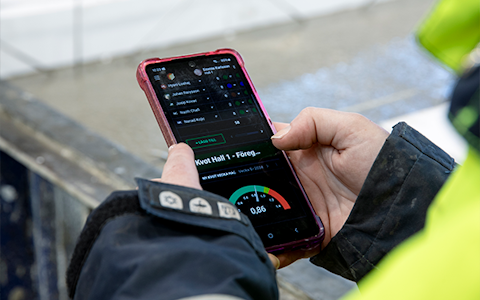
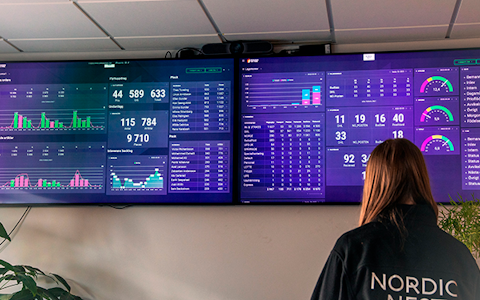
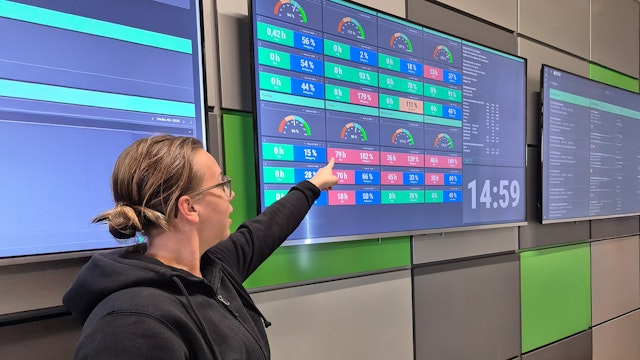
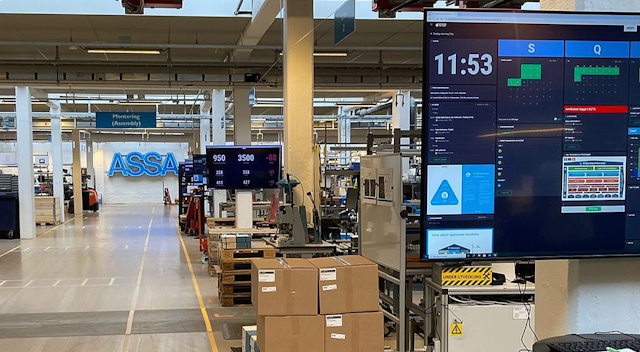
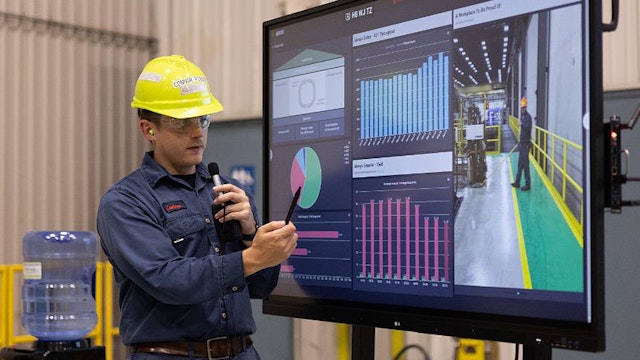
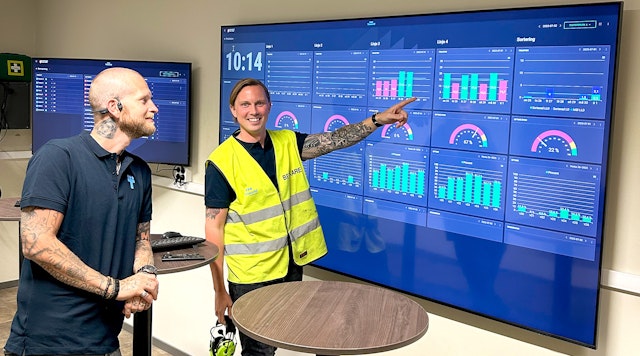
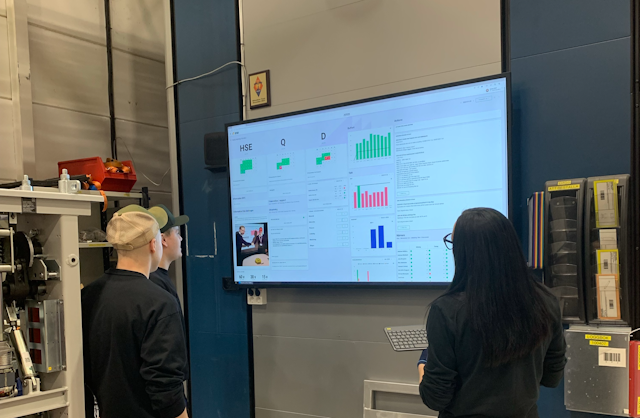
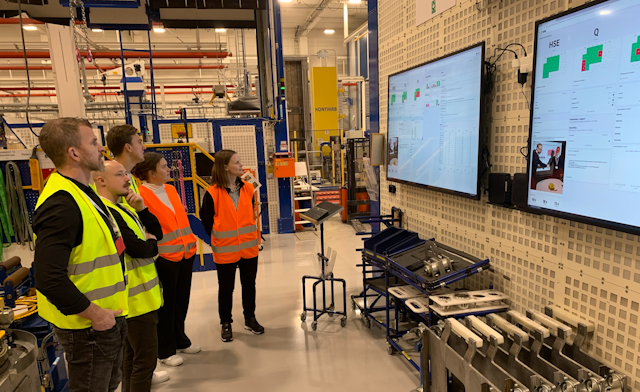
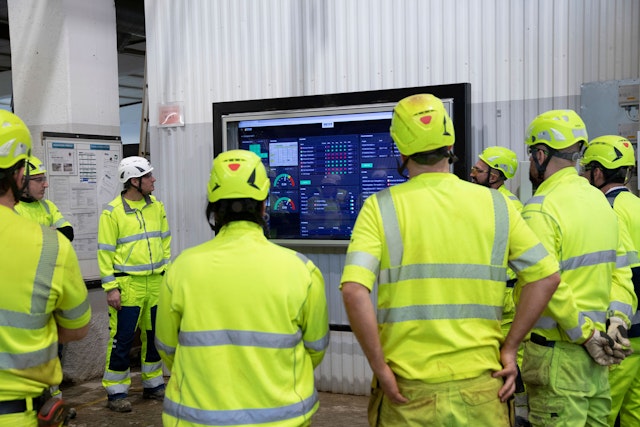
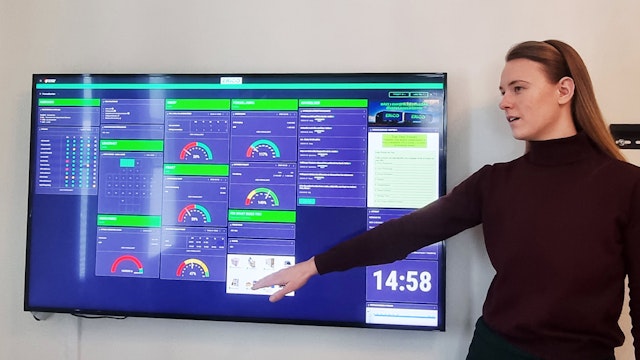
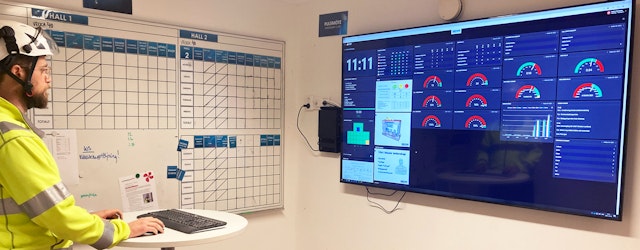
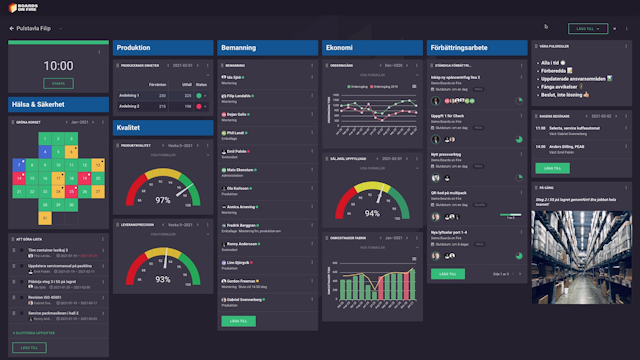
  • Visualize performance in real time, allowing everyone to quickly spot trends, bottlenecks, and progress
  • Identify problems and gaps immediately, making it possible to act before small issues become big
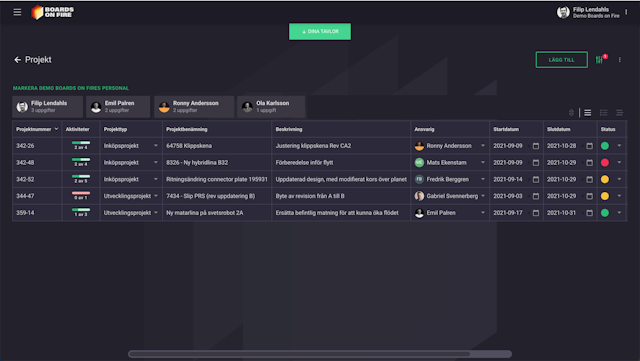
  • Follow up on improvements and actions so that ideas do not fall through the cracks
  • Centralize information and routines digitally, simplifying communication and sharing lessons learned

The result: improved safety and quality, more engaged employees, more reliable equipment, and greater organizational resilience. Boards on Fire makes continuous improvement a natural part of everyday operations.

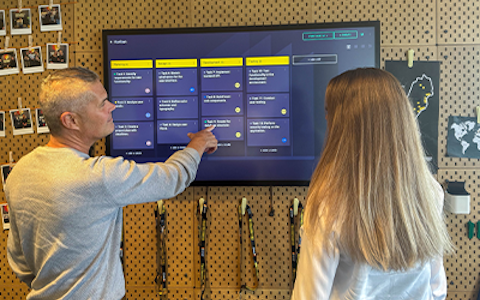
Bild på digital daglig styrning

The path to a functional Kaizen Culture

Driving cultural change through Kaizen is a long-term journey that requires persistence and consistency. Here are some fundamental steps to get started and keep improvement work alive:
  1. Leadership Engagement
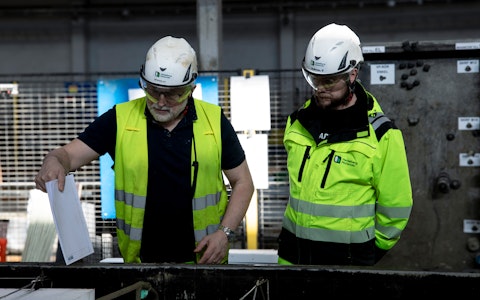
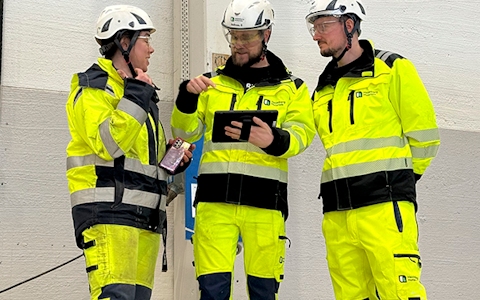
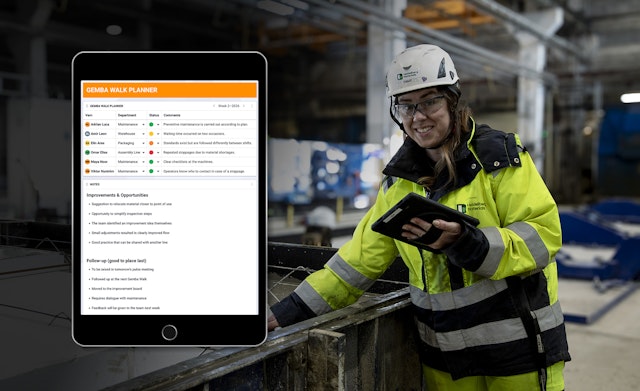
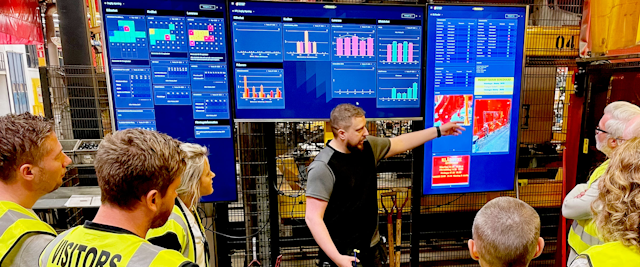
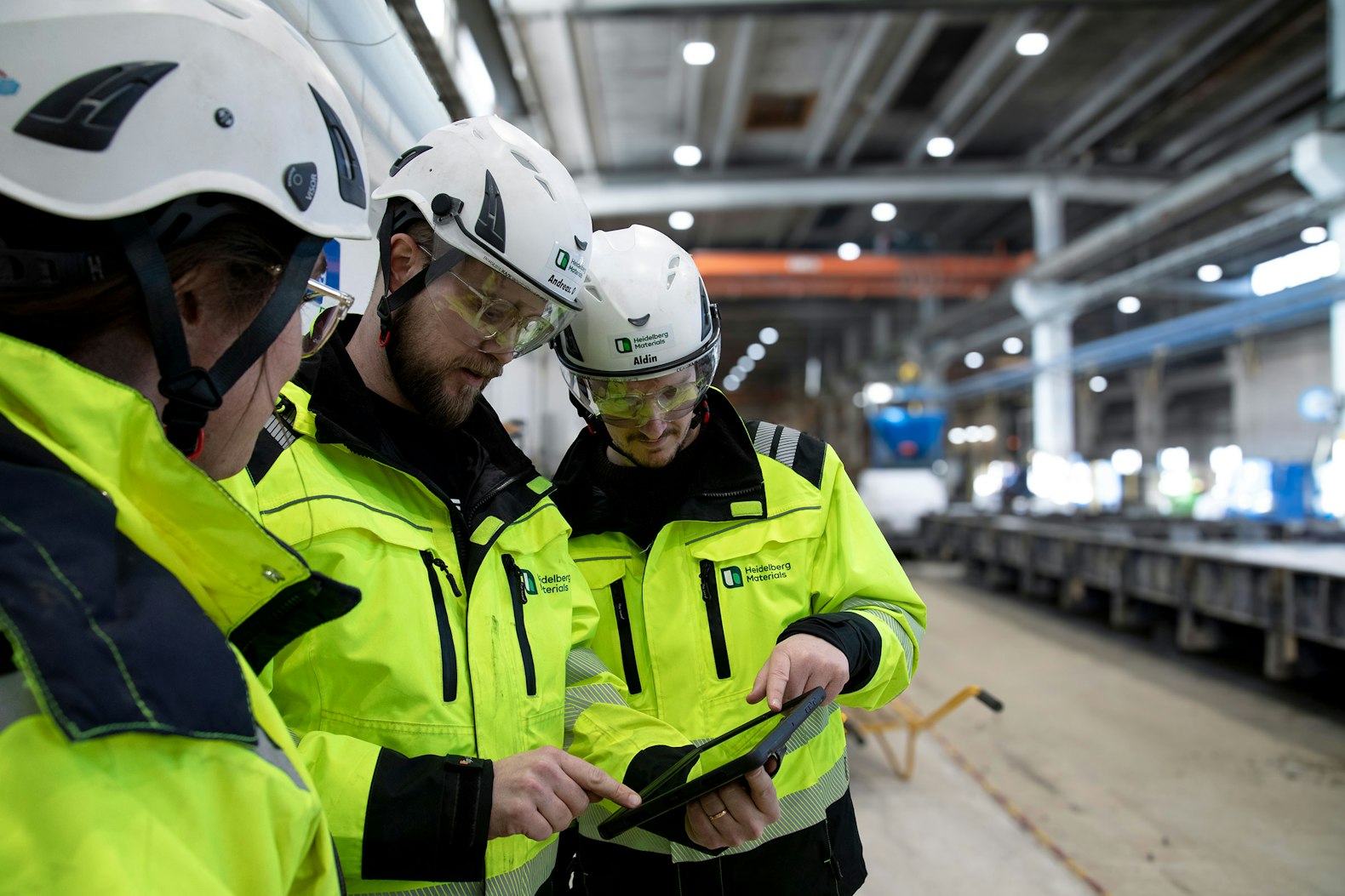
    Change begins with leadership. Managers and employees should regularly conduct Gemba Walks to understand the current situation, identify waste, and drive improvements where value is created. Recurring Gemba Walks demonstrate that Kaizen is a priority.

  2. Link Continuous Improvement to Organizational Goals
    Kaizen activities should support objectives such as increased safety, fewer errors and rework, better delivery precision, reduced waste, and higher equipment reliability. In this way, improvements create measurable value and align with the organization’s needs.
  3. Empower Employees to Contribute
    Employees close to production are often best positioned to identify improvement opportunities. A Kaizen culture requires giving operators and technicians the authority to raise problems and risks. Provide simple, clear ways to submit improvement suggestions and allocate time during or between shifts for collaborative problem-solving.

  4. Standardize Improvement Work
    To create structure, Kaizen activities should follow a clear workflow:

    - Identify the problem
    - Conduct root cause analysis
    - Test countermeasures
    - Standardize the solution
    - Share knowledge and lessons learned

  5. Build Competence Through Practical Training
    Teams with fundamental knowledge in problem-solving, root cause analysis, waste mapping, and standardized work can drive Kaizen more effectively. Training should be hands-on and linked to real work tasks.

  6. Recognize and Reinforce Improvement Behaviors
    To sustain a culture of continuous improvement, it is important to highlight ideas and initiatives from across the organization, for example, in daily meetings. Recognize not only successful results but also learning from tests and experiments.

Orsaksanalys och åtgärder i Boards on Fire

What Kaizen looks like in practice

When a Kaizen culture is in place, its effects are visible in daily operations:

  1. Improved Safety
    Employees identify risks and potential incidents early, reducing accidents and work-related injuries. Workstations become cleaner, safer, and more ergonomic, preventing strain and occupational illnesses. Higher safety levels also lead to better compliance with routines and regulations.

  2. Higher Quality and Reduced Waste
    By addressing problems at the source, processes improve, resulting in fewer errors, rework, and scrap. Reduced quality issues lead to fewer customer complaints and claims. Consistently high quality strengthens customer trust and the company’s reputation.

  3. Increased Equipment Reliability
    Kaizen enables operators to detect deviations and signs of equipment issues early. This supports preventive maintenance and reduces the risk of unplanned downtime. Stable and reliable equipment creates more predictable and consistent production.

  4. Greater Employee Engagement
    Kaizen fosters a culture where employees can raise questions, provide feedback, and suggest improvements. When ideas are acted upon and results are visible, engagement and accountability increase. Engaged employees boost productivity and help retain organizational expertise.

  5. Enhanced Organizational Resilience
    Continuous improvements strengthen the organization’s ability to adapt to change. The business becomes more robust and can handle new products, volume variations, and process changes more efficiently and reliably.

Tools to strenghten your Kaizen Culture

Several tools facilitate improvement work, problem-solving, and rapid decision-making. Notably, Boards on Fire provides digital solutions that make it easy to scale and visualize Kaizen culture:

Boards on Fire Digital Tools for Daily Management

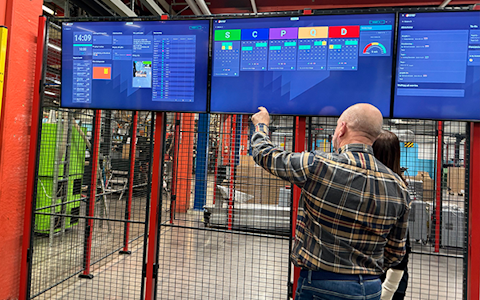
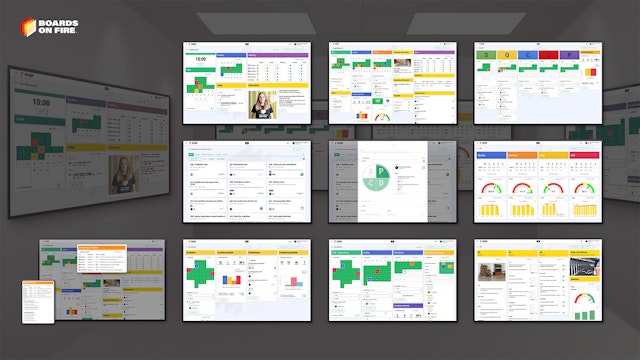
  • SQCDP: Visualizes the current situation, identifies trends and problems, and makes it easy to track production status.
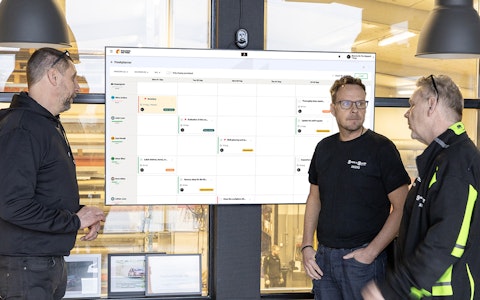
  • Daily Management Board: Helps teams quickly spot issues, assign tasks, and clarify questions like “Where do we stand?”, “What needs to be done?”, and “Who is responsible?”
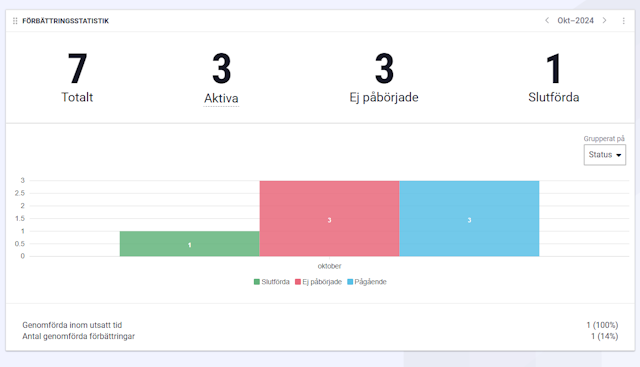
  • Improvement Module: Employees can submit improvement suggestions via phone or computer. Suggestions can then be escalated, tracked, and handled systematically.

Tools to Reduce Waste

  • 5S Method: Improves the work environment through systematic sorting, organizing, cleaning, standardizing, and maintaining workstations.
  • Gemba Walks: A Lean method where leadership visits the shop floor to directly observe processes, identify waste, and spot improvement opportunities.

Problem-Solving Tools

  • 5 Whys: Identifies the root cause of a problem by repeatedly asking why until the underlying cause is found.
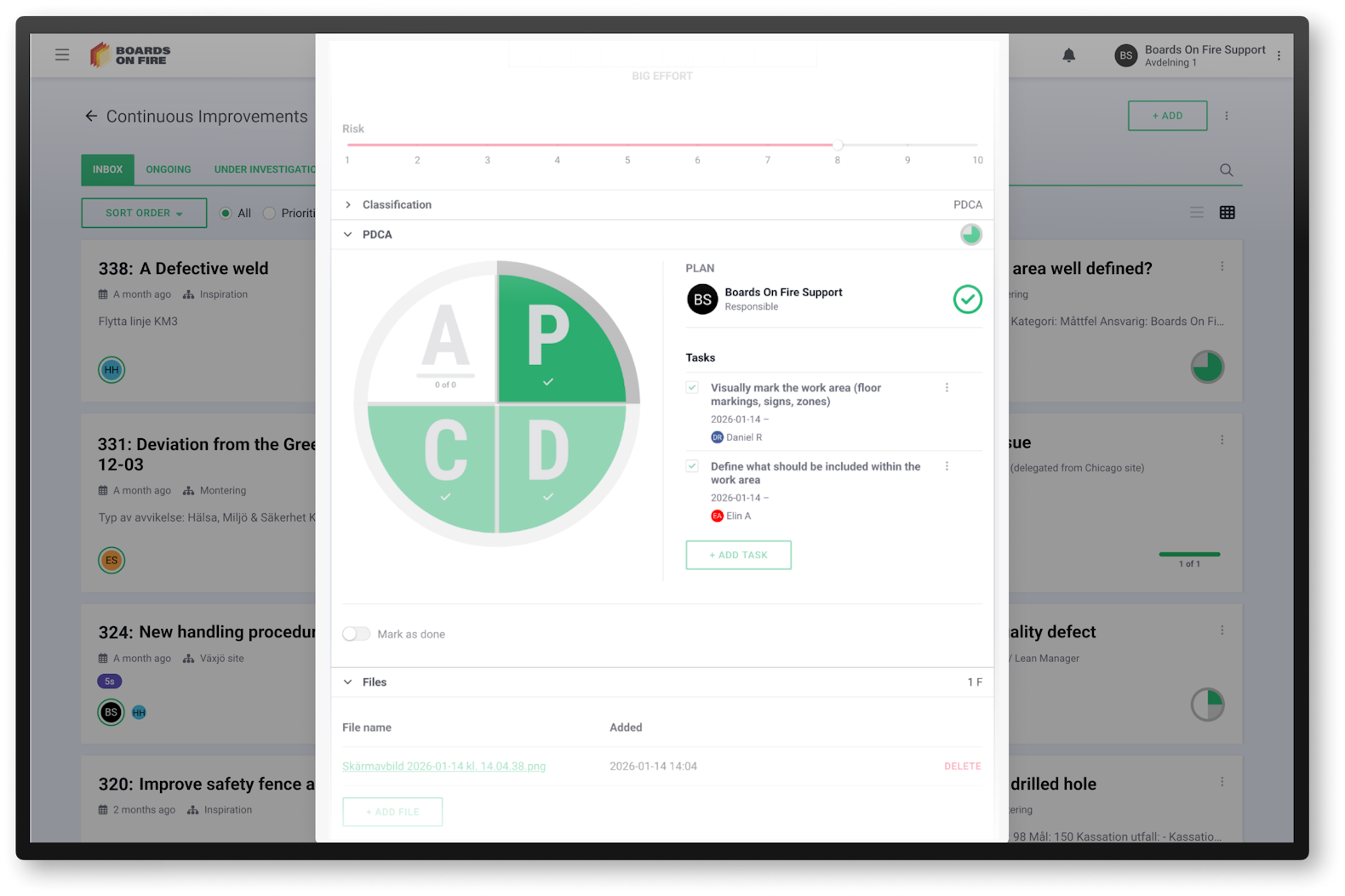
  • Plan-Do-Check-Act (PDCA): An iterative method for implementing and reviewing improvements step by step, promoting continuous progress. 

    Mockup på Boards on Fire Ständiga förbättringar PDCA tavla

Summary

A Kaizen culture is ultimately about building long-term strength in a constantly changing environment. When continuous improvements become a natural part of daily work, safety, quality, and engagement increase, while the organization becomes more resilient and competitive. With the right approach, clear leadership, and supportive tools, Kaizen can turn from ambition into reality—every day, across the entire organization.

https://www.datocms-assets.com/56488/1744200650-boardsonfire-ellen-citron.jpg

Ellen Citron

Marketing Coordinator

Related articles

Happens at Boards on Fire

Latest from the blog

Free web demo
We can tell you all about Boards on Fire. But it's easier to show you. Our web demo gives you the basics in 30 min.